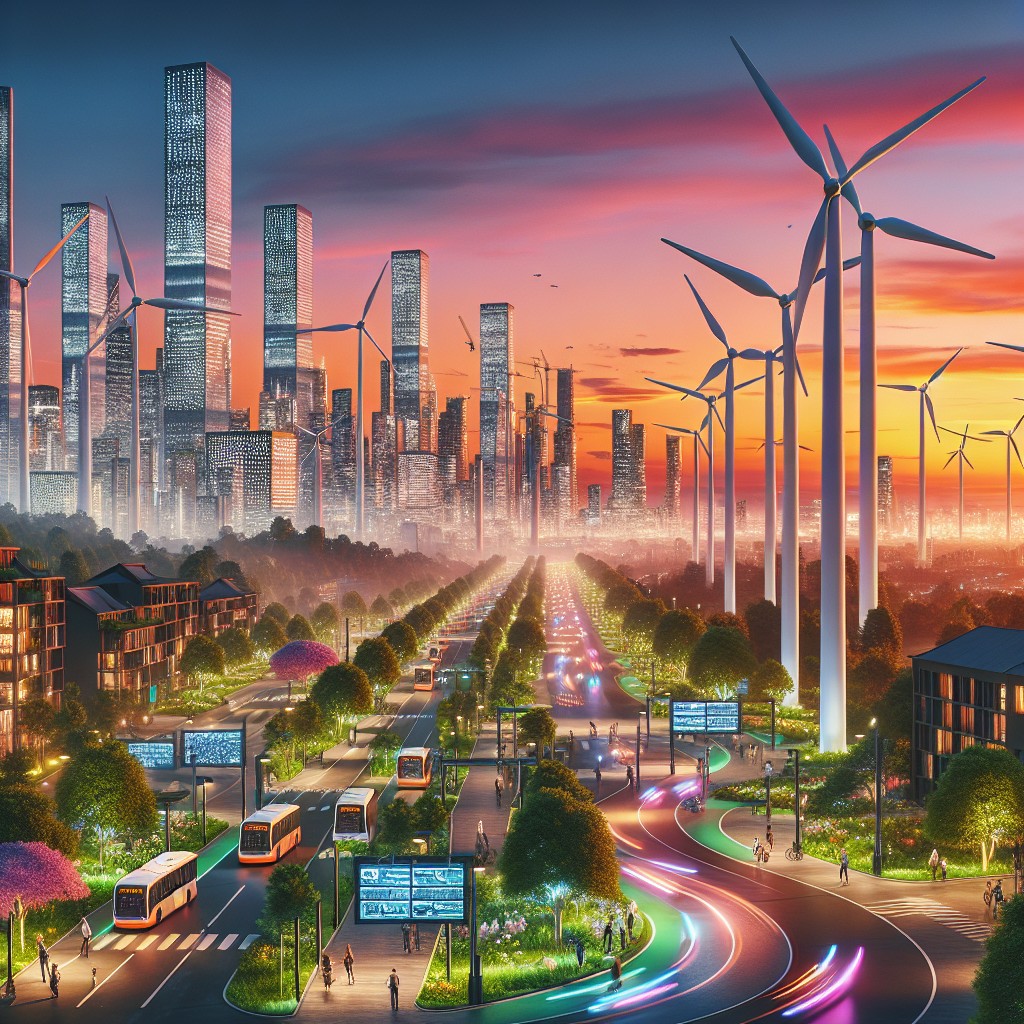
As nations worldwide race towards decarbonization, the energy transition is seeing rapid advancements beyond the common news narratives. While solar and wind energy often headline conversations, several other facets of this transformation are scaling significantly in various regions. Understanding these developments provides insights into the multifaceted nature of the global shift towards sustainable energy.
Hydrogen Economy: Emerging as a Critical Component
The hydrogen economy is gaining substantial traction, particularly in Europe and East Asia. Investments in green hydrogen production, which uses renewable energy to produce hydrogen, are scaling rapidly as industries seek alternatives to fossil fuels for heavy transport and industrial processes. Countries such as Germany and Japan have launched ambitious strategies to expand hydrogen infrastructure, aiming for a sustainable supply chain that supports both power and transportation sectors.
Electrification of Transport Beyond Private Vehicles
While electric cars often dominate energy transition coverage, a notable acceleration is occurring in electrifying public buses and commercial fleets worldwide. Cities in China, South America, and Europe are deploying electric buses at unprecedented rates, which significantly reduce urban emissions. Additionally, the shift to electric delivery vans and trucks is expanding due to stricter emissions standards and operational efficiencies.
Energy Storage Technologies Scaling Fast
The increasing share of intermittent renewable energy sources like wind and solar necessitates robust energy storage solutions. Battery technologies, especially lithium-ion batteries, have scaled quickly, driven by both utility-scale installations and distributed applications. Beyond lithium-ion, alternative storage technologies such as flow batteries and pumped hydro-storage are progressing in select countries, enhancing grid flexibility and resilience in the energy transition.
Digitalization and Smart Grids Enhancing Efficiency
Digital technologies and smart grids are becoming pivotal in managing complex energy systems undergoing transition. By integrating real-time data, artificial intelligence, and advanced metering infrastructures, several countries have optimized energy distribution and consumption. This digital transformation supports higher renewable penetration and enables consumers to participate actively, reflecting a scaling trend that often goes unnoticed in mainstream energy discussions.
Decentralized Renewable Energy Solutions in Developing Regions
In regions with limited access to centralized power grids, particularly parts of Africa and South Asia, decentralized renewable energy systems like microgrids and solar home kits are scaling rapidly. These solutions provide reliable electricity access while leapfrogging traditional fossil-fuel-based infrastructure. This trend not only advances the energy transition but also supports socio-economic development in underserved communities.
In conclusion, the global energy transition involves a complex array of technologies and strategies progressing beyond widely covered areas such as solar and wind power. Hydrogen economies, transport electrification beyond private vehicles, energy storage innovations, digitalization of grids, and decentralized solutions are all scaling fast and shaping a more sustainable energy landscape worldwide. Monitoring these developments provides a comprehensive understanding of the multifaceted energy transformation underway and its potential impacts on global climate goals.
Frequently Asked Questions about energy transition
What is the energy transition and why is it important?
The energy transition refers to the global shift from fossil fuel-based energy systems to renewable and low-carbon alternatives. It is important because it aims to reduce greenhouse gas emissions, combat climate change, and promote sustainable energy use worldwide.
Which technologies are currently scaling fastest in the energy transition?
Technologies scaling quickly include green hydrogen production, electrification of public transportation, advanced energy storage systems, smart grid digitalization, and decentralized renewable solutions, all contributing to different aspects of the energy transition.
How does the energy transition impact developing countries?
In developing countries, the energy transition often involves deploying decentralized renewable energy systems like microgrids to improve electricity access. This supports social and economic development while aligning with sustainable energy transition goals.
What role does hydrogen play in the energy transition?
Hydrogen, especially green hydrogen produced from renewables, provides a clean energy carrier for sectors difficult to electrify. Its growing production and infrastructure development mark a fast-scaling component of the energy transition.
How is digitalization linked to the energy transition?
Digitalization, including smart grids and real-time data management, enhances energy system efficiency and integration of renewable sources. It represents a key factor accelerating the energy transition by enabling better demand response and grid stability.